The Panama Canal in History

Before the Canal…
From the mid-1500s to the mid 1700s, the Spanish crossed the narrow isthmus of Panama on foot and horseback to transport the gold, emeralds and other riches they plundered from Colombia, Equador and Peru to Spain. It was a perilous trip fraught with pirates, floods and diseases.
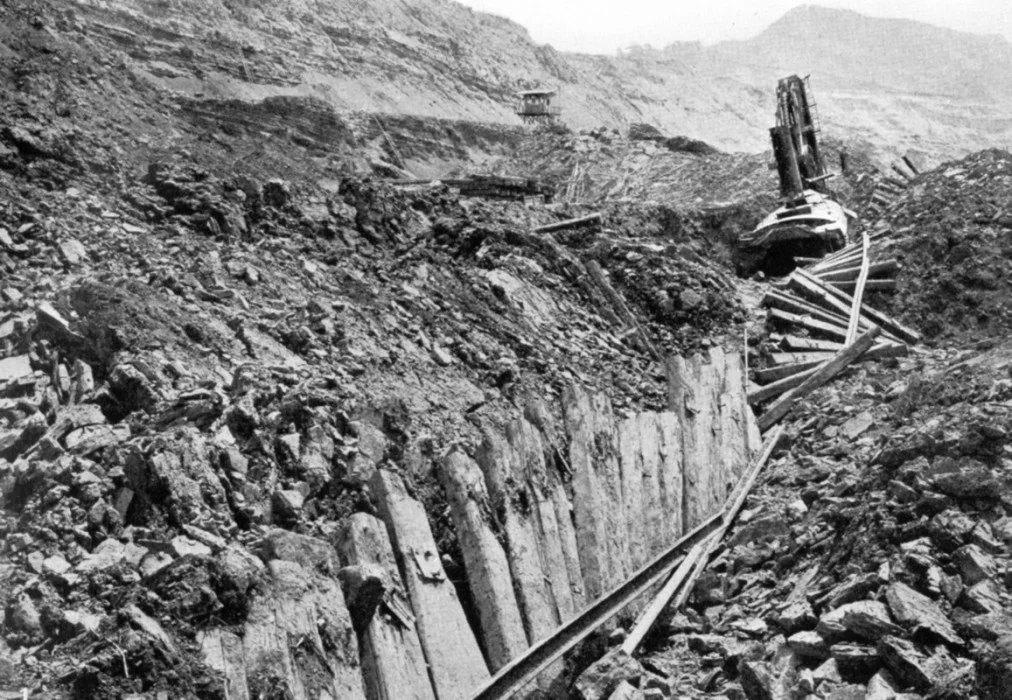
The First Try by France…
The first attempt to build the canal was by a French company in 1881. Many French citizens invested heavily in the venture and, due to high worker mortality (22,000), torrential rains and poor planning, this venture ended in failure. It almost bankrupted France, becoming one of the biggest financial failures in French history.
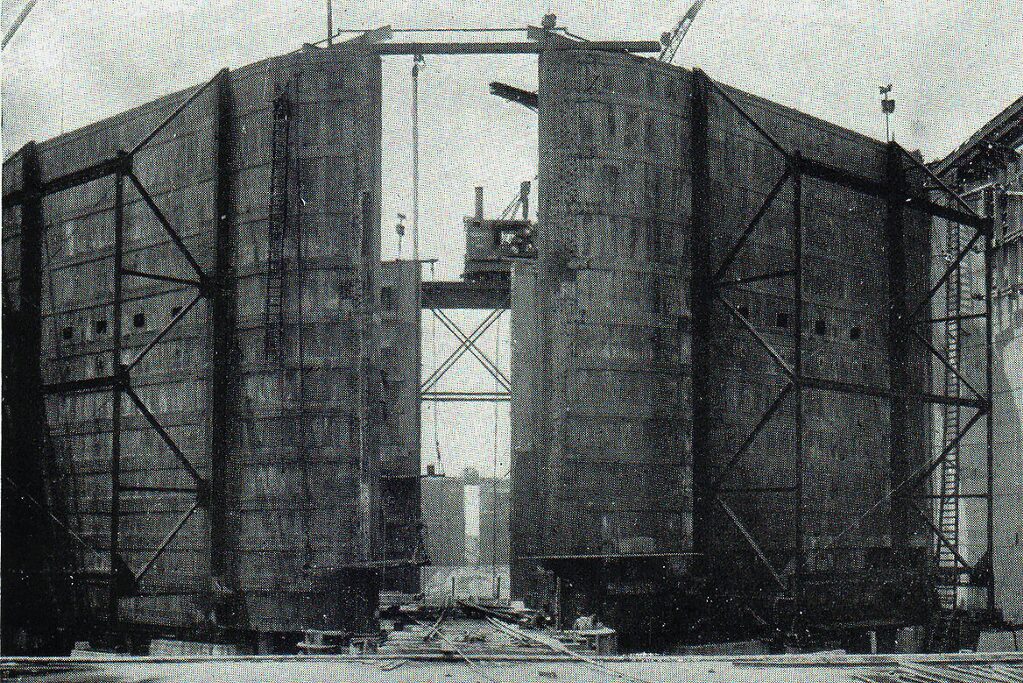
The United States Takes Over…
When the United States took over the canal construction in the early 1900s, many of the engineering and health issues were quickly resolved and the canal was finally finished in 1914. The completion of this monumental engineering feat forever changed the face of global trade and shipping, and Panama’s position as a center of world trade.
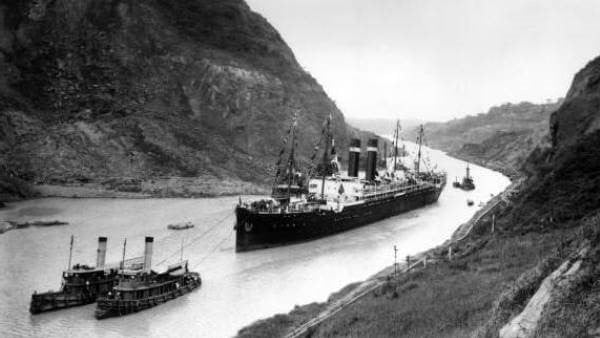
The First Passage Through the Panama Canal
The first ship transited the canal in 1914 and by 1939 almost 7,000 ships a year passed through its locks. And although ships grew in size every year, they were limited to the width and length of the original locks. (950′ long, 105′ wide and 50′ draft) This size limitation for new ships became known as Panamax.
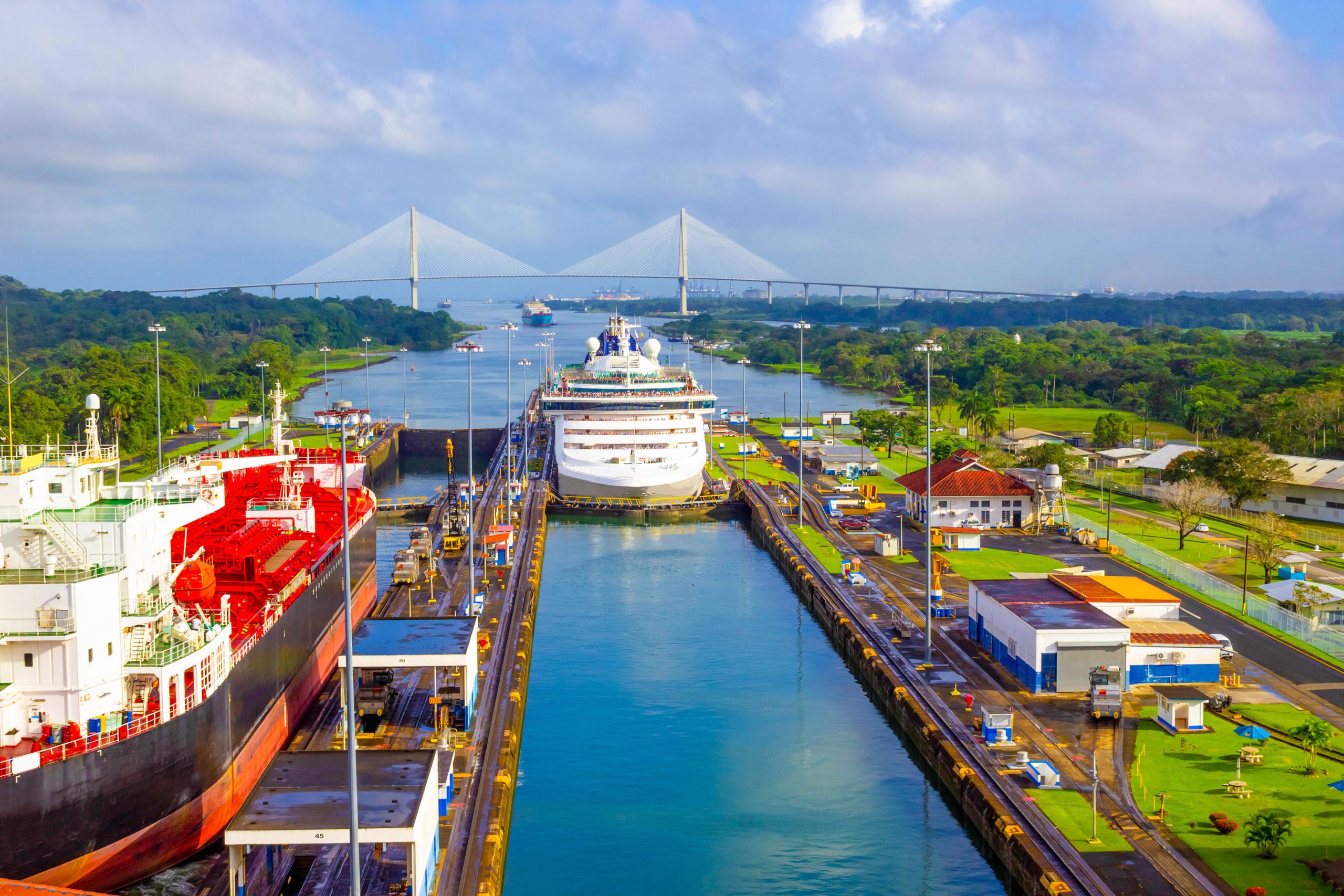
Successful operation and Transfer to Panama
The canal was operated by the USA for almost 100 years, and was successfully handed over to Panama to operate in 2000. With almost 14,000 ships passing through each year, it has become one of Panama’s most stable revenue generators, and is a reliable resource for shippers around the world.
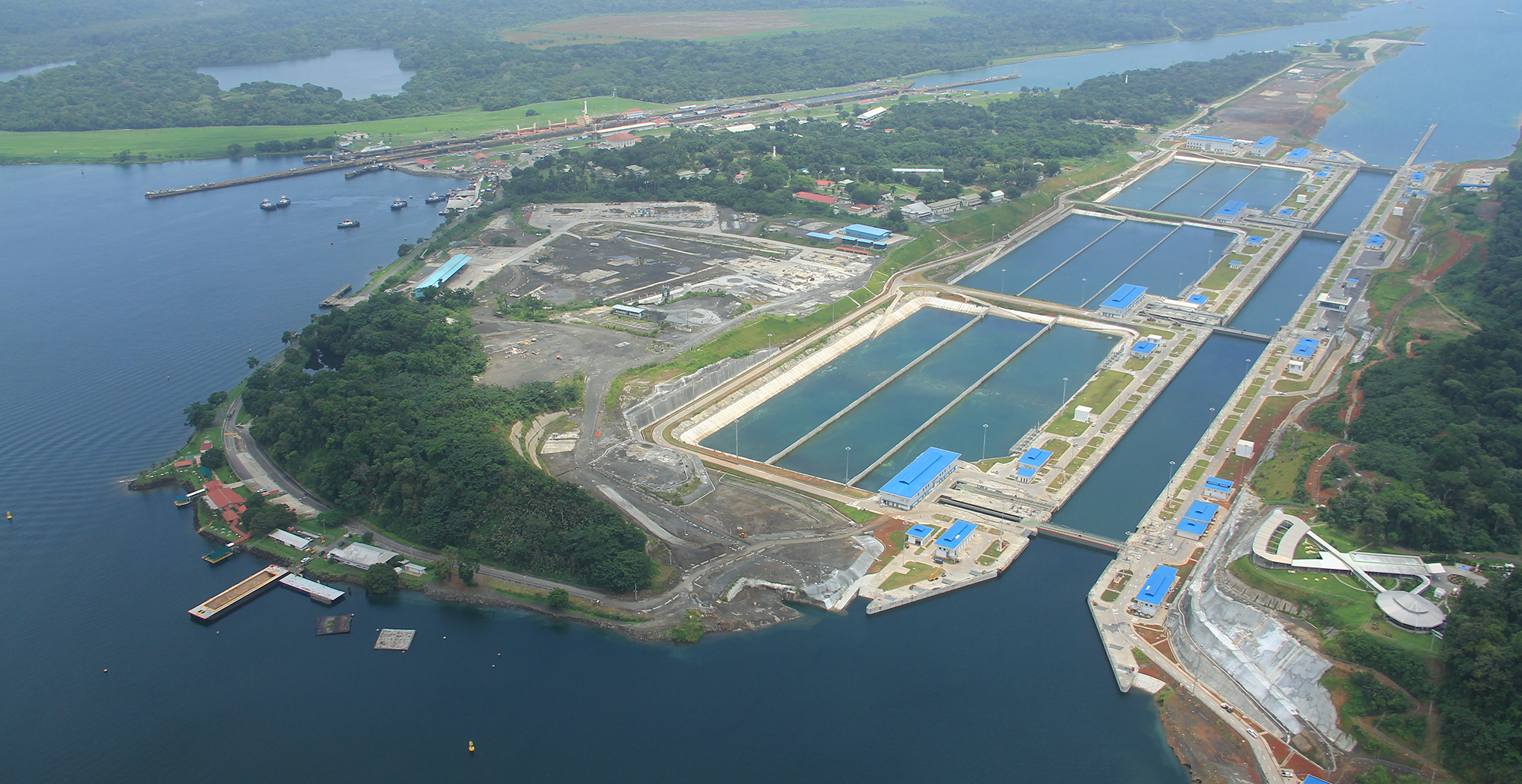
A Major Expansion of the Canal
As ships grew in size, Panama realized that wider/longer locks were required. In less than 7 years, new locks were designed and built, allowing much larger ships to pass through. This ensures the canal’s pivotal position in world trade for generations to come.