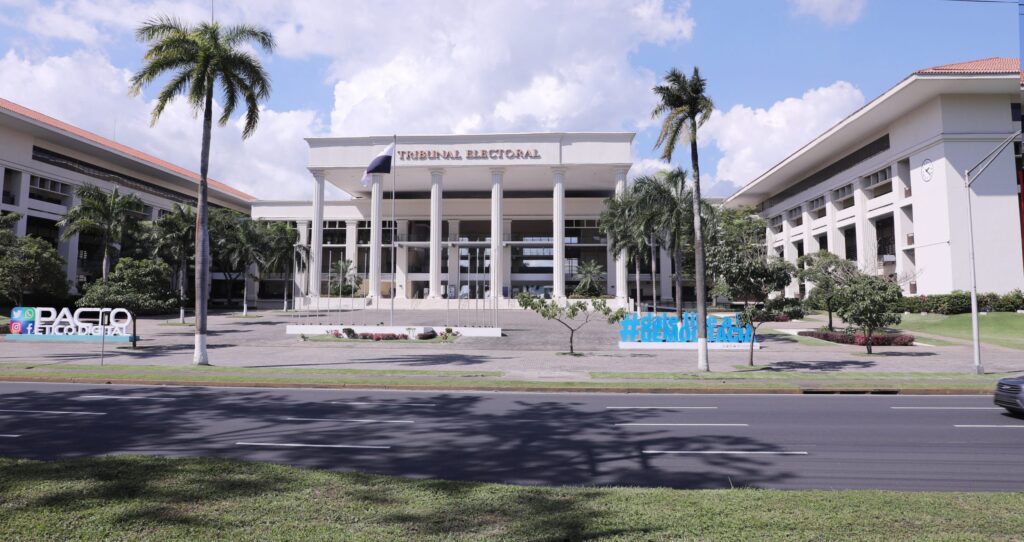
Panama’s stable political landscape translates into a safe, stable country with some of the happiest citizens in the Western Hemisphere.
Much like the United States, the government is divided into three branches: Executive, Legislative, and Judicial, with a system of checks and balances to ensure cooperation among them. Universal suffrage was instituted in 1907, and Panamanians 18 years of age and older are eligible to vote, with over 75% of the eligible population participating. After its last military dictator was removed in 1990, Panama has had peaceful elections and transitions of power.
Panama has 3 Branches of Government…
Similar to the United States system of government, Panama has Executive, Legislative and Judicial branches of government. This system was put in place after General Noriega was arrested and extradited in 1990. This balance of powers has served Panama well, setting the stage for stability and prosperity.
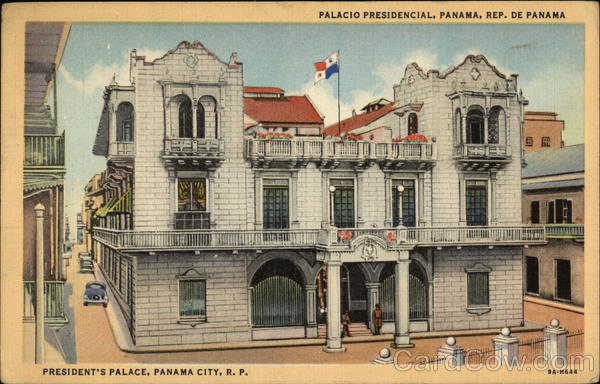
The Executive Branch
The President of Panama serves as both the Head of State and the Head of Government, holding the highest executive authority. The president is popularly elected for a five-year term and is prohibited from seeking immediate re-election. The Executive Branch also includes the Vice President and the Cabinet Council, which is composed of Ministers of State appointed by the President.
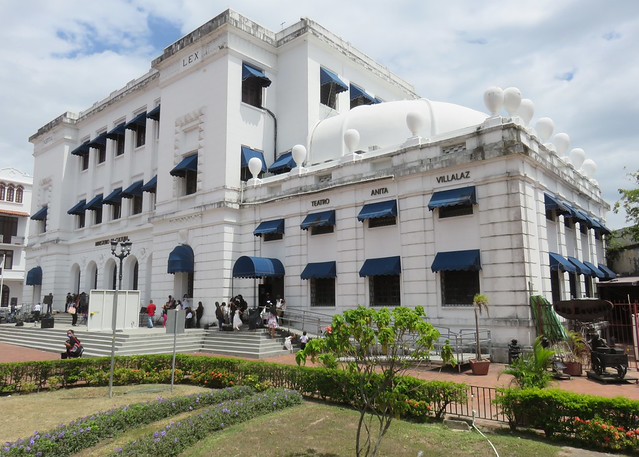
The Judicial Branch
Judicial power is administered by the Judicial Organ, which is headed by the Supreme Court of Justice (Corte Suprema de Justicia). The Supreme Court is the highest court and consists of nine magistrates, each appointed for a fixed term of ten years. These magistrates are nominated by the Cabinet Council and confirmed by the National Assembly.
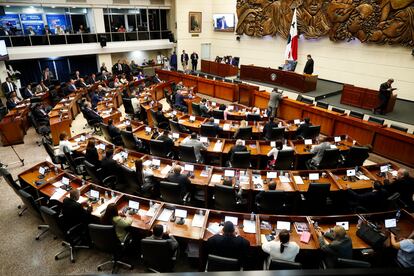
The Legislative Branch
Legislative power resides in the unicameral National Assembly (Asamblea Nacional). This body consists of 71 deputies, who are elected to five-year terms concurrent with the presidential term. Deputies are elected through a mixed electoral system combining plurality voting in single-member districts with proportional representation.