A Brief History of Panama…
While there is far too much history to cover here, below is a summary of some of the high/low lights of Panama’s colorful history…
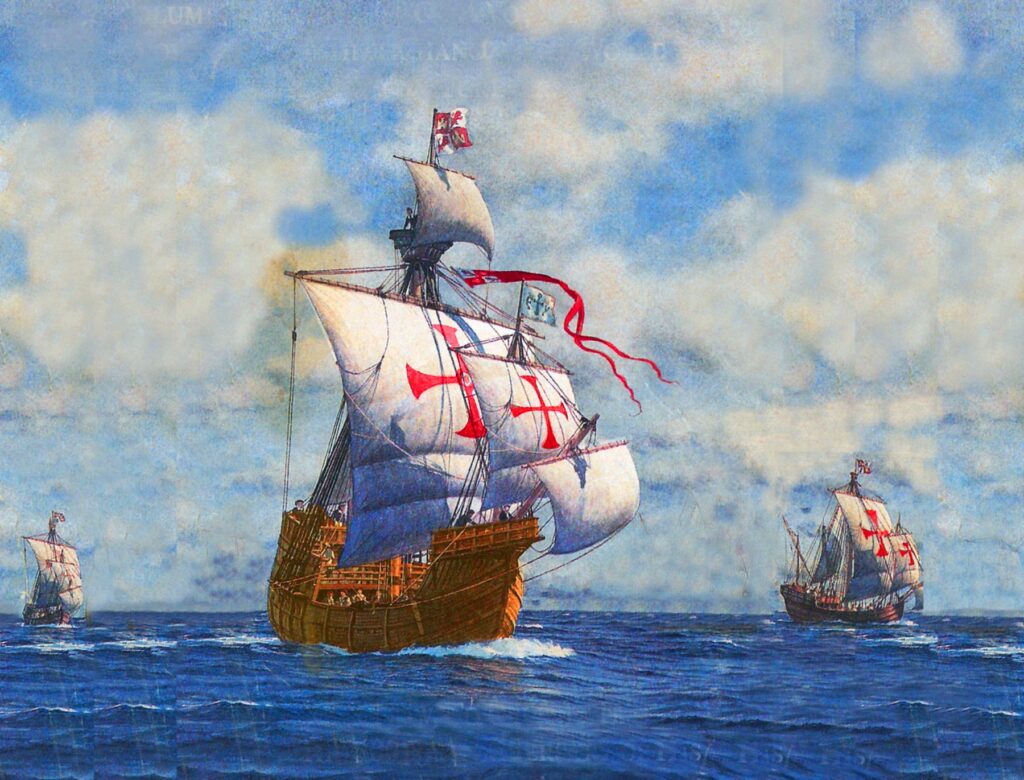
First visited by Spaniards in 1513…
Although inhabited by numerous indian tribes for thousands of years, the area was first discovered by Europeans in 1510. Three years later, Vasco Nunez de Balboa, 130 soldiers and several hundred Indians first crossed the Isthmus of Panama in an arduous trip through the jungles. In late September of 1513, he became the first European to cross the Americas to see the Pacific Ocean.
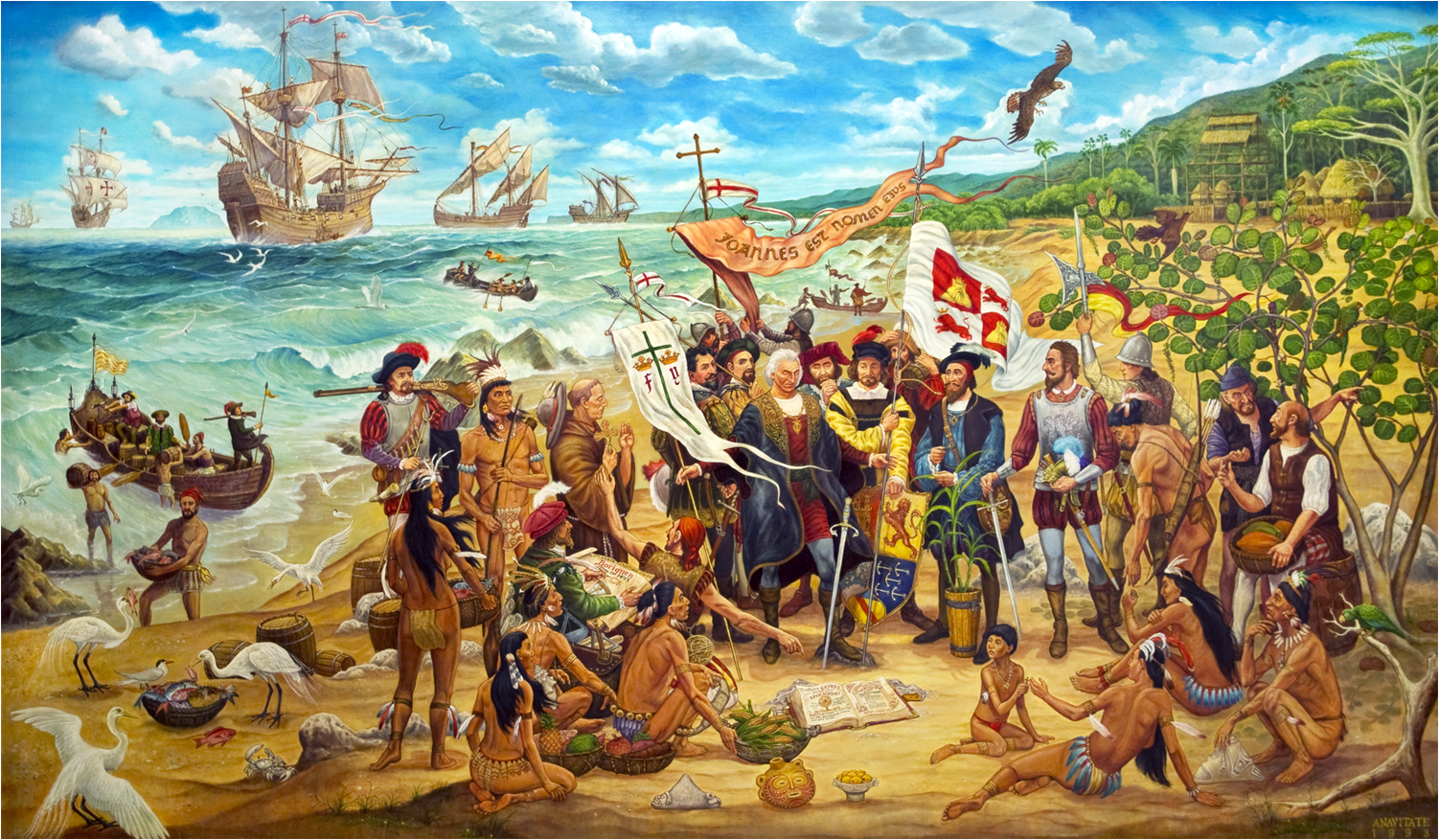
The initial contact with the Indigenous…
The tribes of Panama and the surrounding areas had lived a relatively abundant life for generations when they were first encountered by Balboa. Although some of the native americans cooperated with Balboa, others fought the newcomers and killed many of them. But with the Spainard’s more advanced weaponry and diseases, to which the indians had no immunity, local populations died off rapidly.
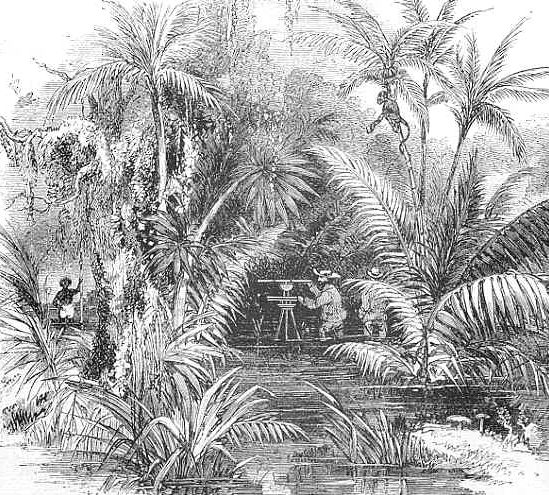
Initial explorations and surveys to determine the canal’s path…
The possibility of a canal across Panama was first proposed by Balboa in 1513. Again in 1534 Holy Roman Emperor Charles V of Spain ordered a survey for this route. Scotland tried again in 1598 (failed). In 1811 Alexander von Humboldt considered a Panama route, but decided on another route through Nicaragua (also failed). In 1870 US President Grant commissioned a study that also decided on Nicaragua as the best route (never began). In 1877, Frenchman Ferdinand de Lesseps (builder of the Suez Canal) proposed a new route through Panama, after which he raised funds and began France’s ill-fated construction efforts. You know the rest…
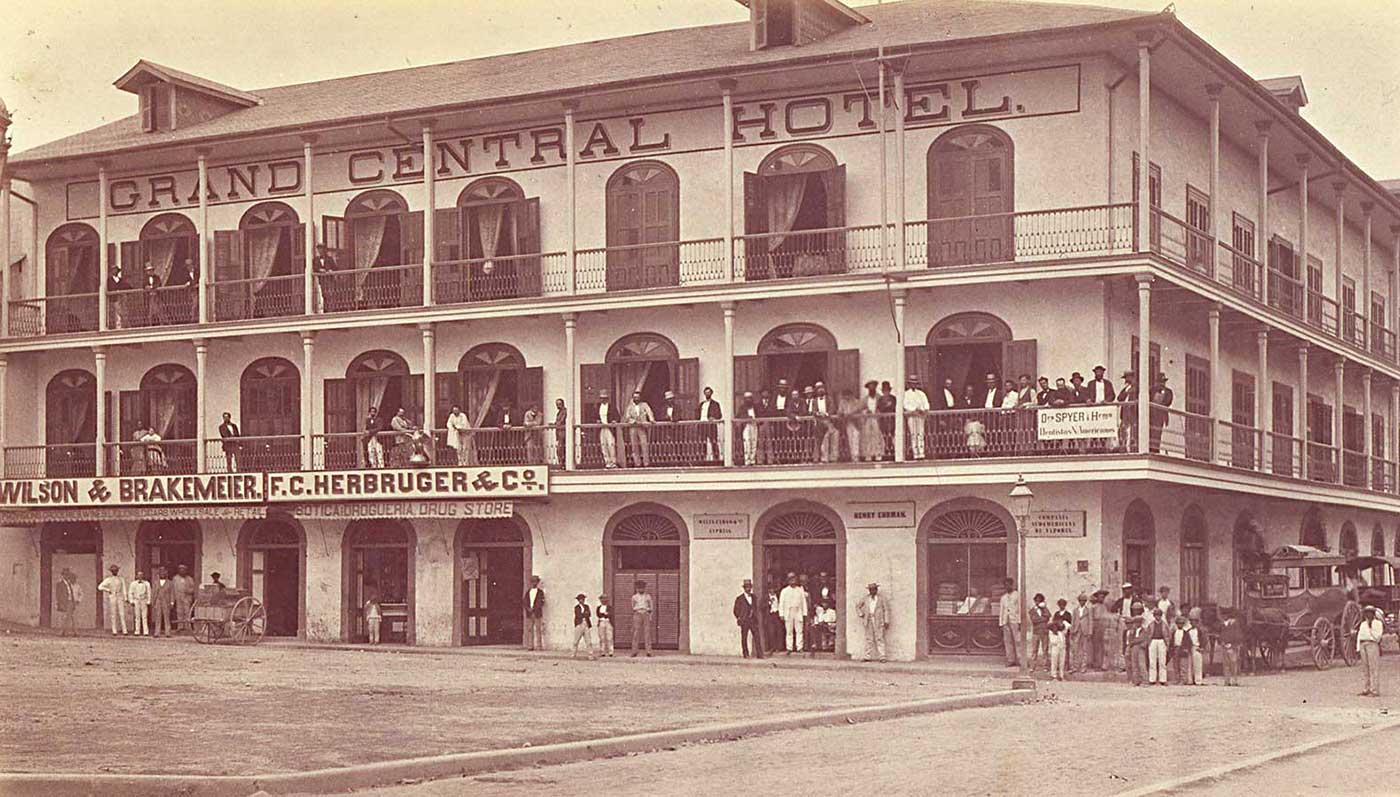
A growing city and evolving amenities…
Once the Panama Canal was built, the country’s infrastructure was rapidly modernized and expanded with the help of the strong US presence and Panama’s evolving reputation as a center of world trade.
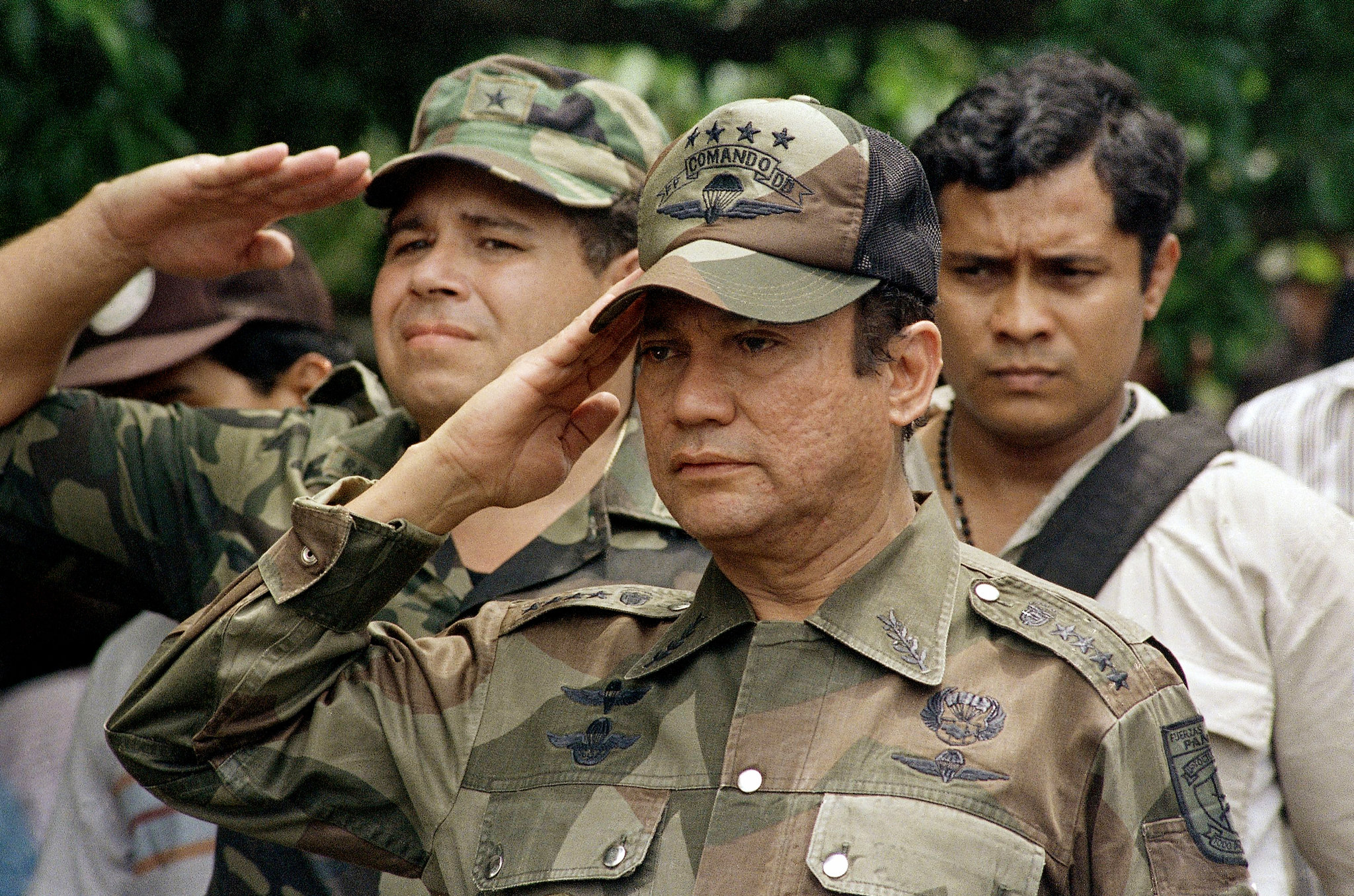
A time of transition…
Probably the most (in)famous of Panama’s leaders was Manual Noriega, a career military man who came to power via a coup in 1968. He worked with the US Intelligence Agencies and also with drug traffickers throughout Central and South America. He was eventually convicted, captured, extradited, and served time in US prisons for some of his crimes. In the years after his removal from Panama, the country has enjoyed multiple fair, free elections and peaceful transitions of power.
The Panama we know today!
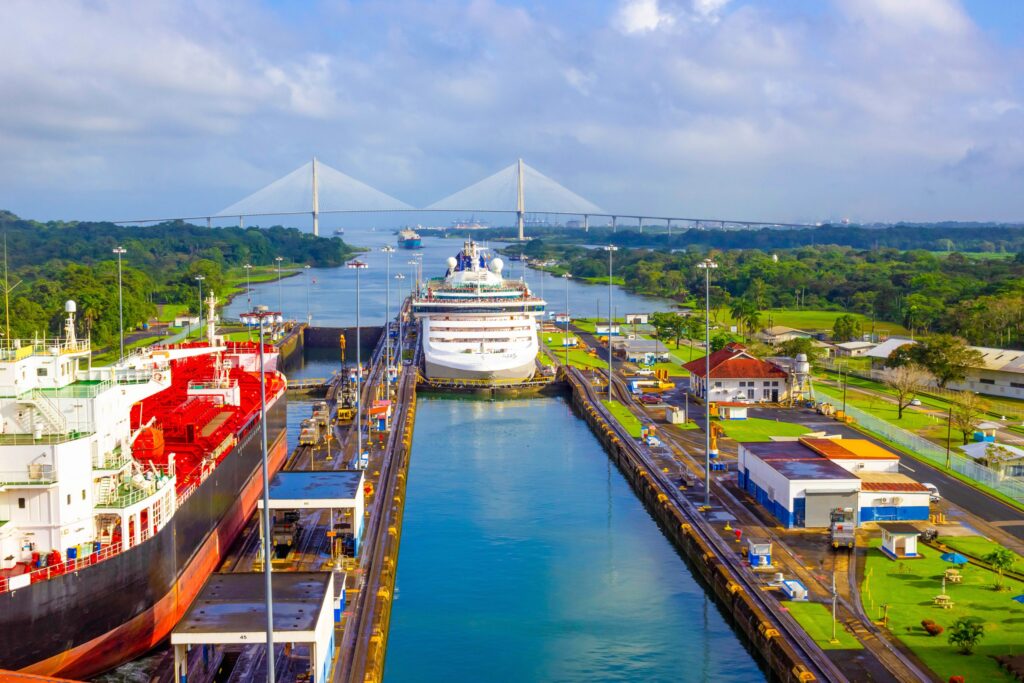
An Engineering Marvel…
Panama has successfully operated the Panama Canal on it’s own since Dec 31, 1999 – over 25 years of uninterrupted service.
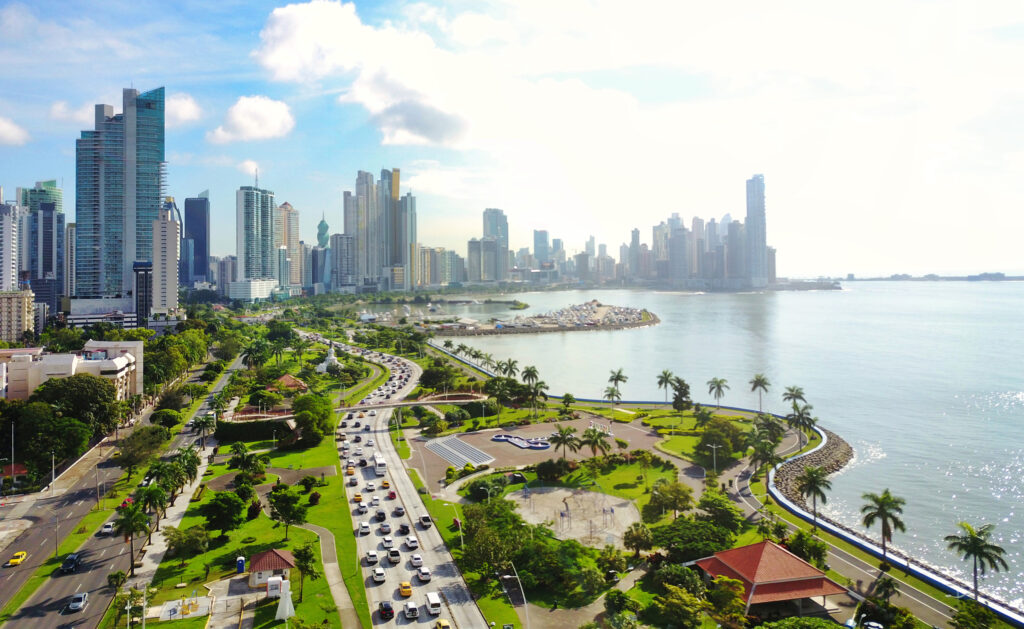
One of the Most Modern Cities in Latin America…
With almost continuous construction, Panama’s economy is booming. It’s wealth of hotels, businesses and restaraunts, and advanced infrastructure are some of the best in the Americas.
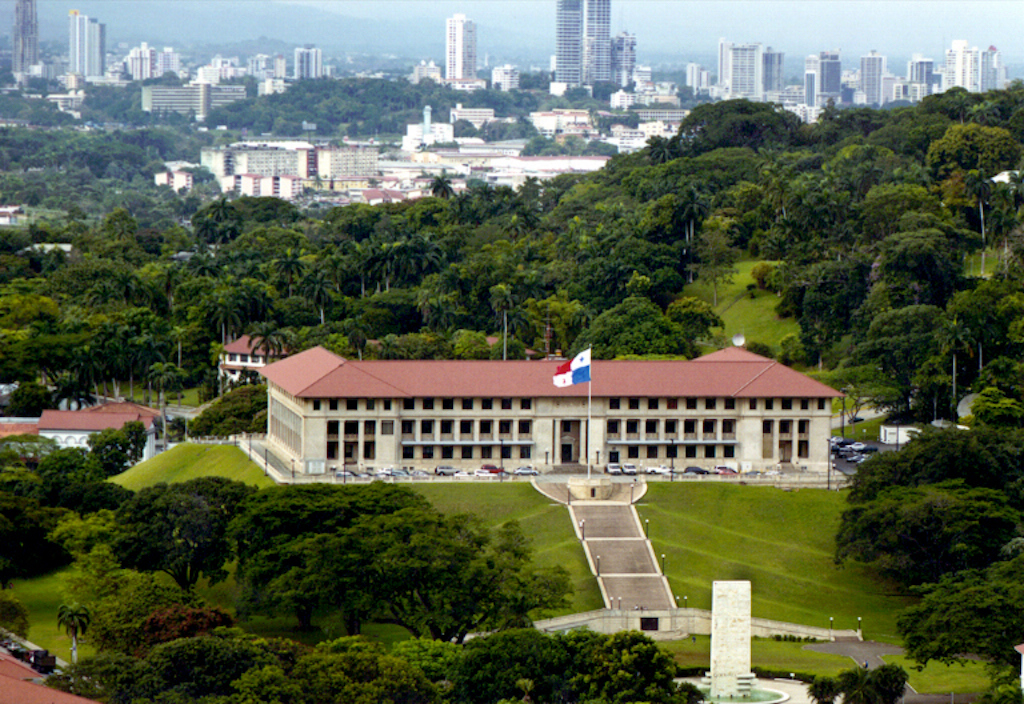
First World Governance and Administration…
Since General Noriega’s ouster, Panama has successfully transitioned to a stable democracy with peaceful elections and governance since 1989.
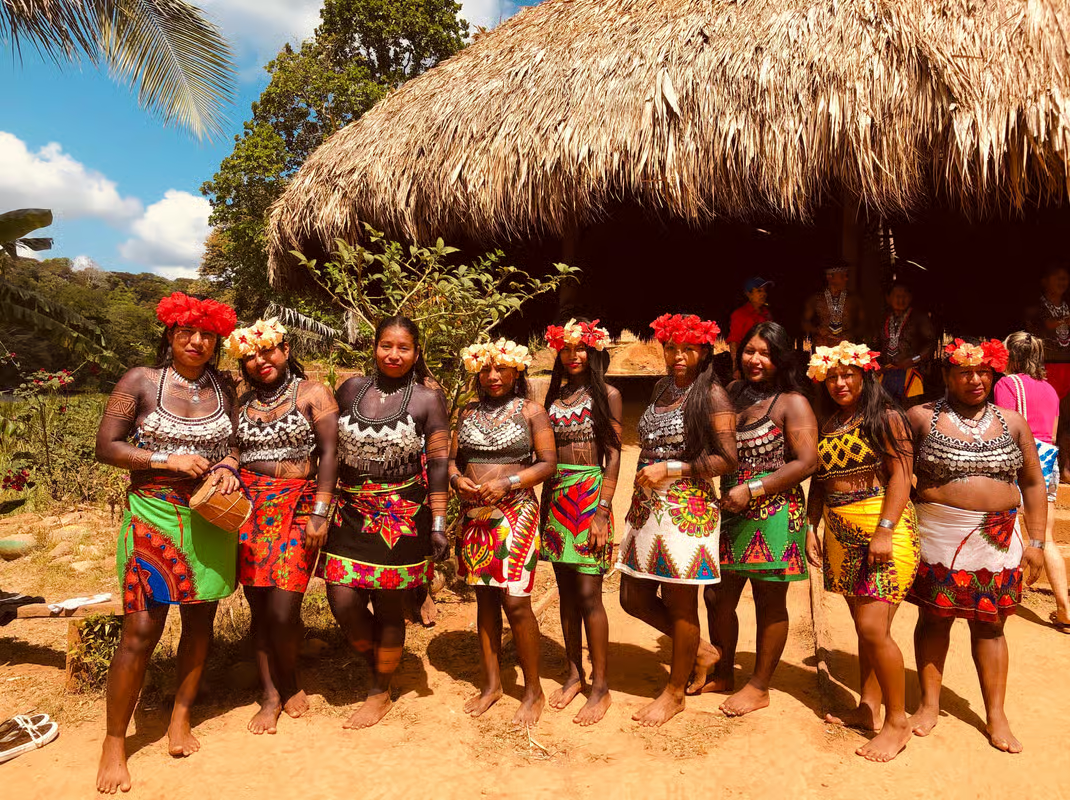
Maintaining Traditional Cultures…
Respecting and maintaining its cultural history, indigenous tribes such as the Embera, Wounaan, Guna, Terribe, Ngäbe-Buglé and Bri Bri still live in many of their traditional ways in their traditional tribal lands.
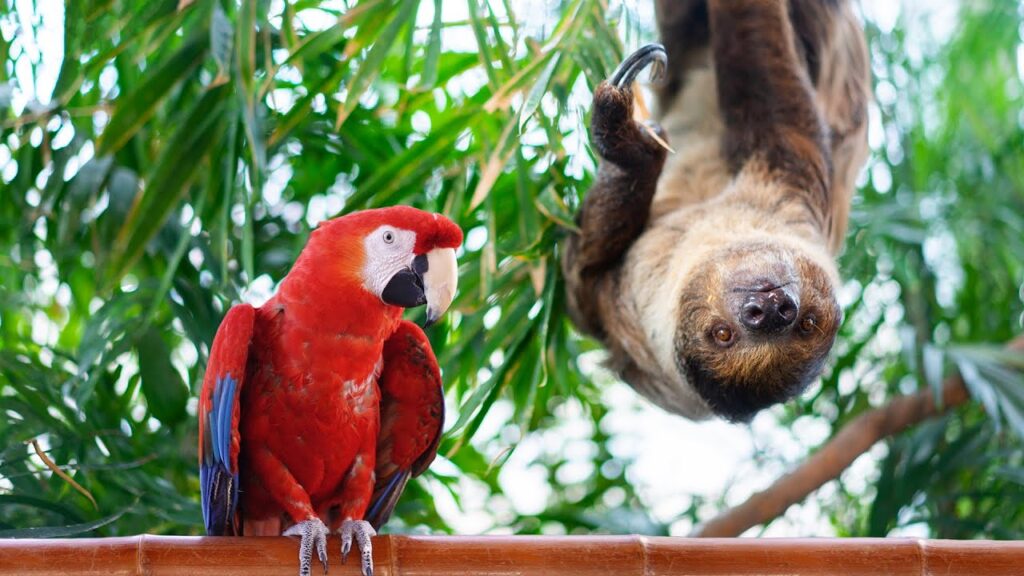
And it’s Natural Heritage…
With some of the richest biodiversity in the Northern Hemisphere, Panama is a haven for birders, fishing, pristine flora and fauna, and its commitment to conservation of Nature.
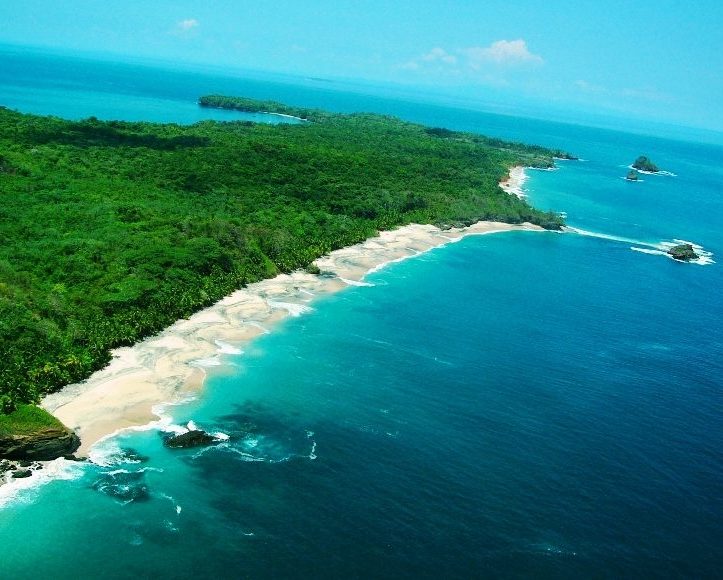
Amazingly Unspoiled Beaches…
Panama has more coastline than California, Oregon and Washington combined, and a population of less than 4 million.